
Charity Grant Eligibility Criteria

Does your organisation meet the criteria for application?

Applicants can only apply for one grant programme at any time.

At least 75% of the charity’s beneficiaries must target one of the eligibility criteria.

Eligibility Requirements

1.

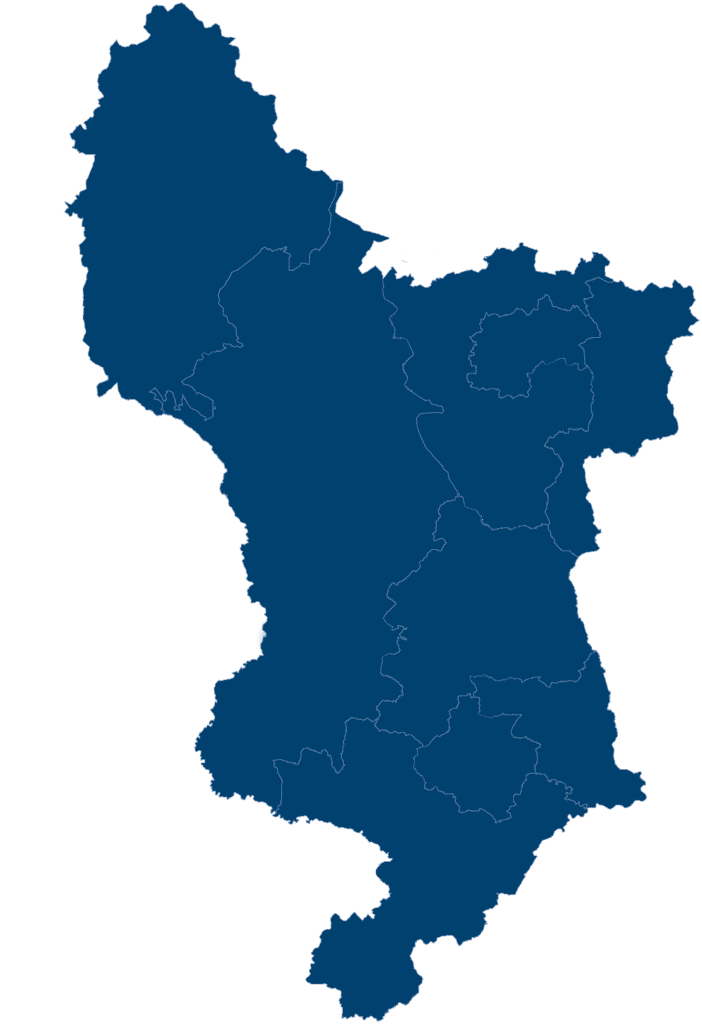
Grants are only made to charities whose beneficiaries are in Derbyshire.

2.

Charities must be registered with the Charity Commission or other proven not-for-profit charitable organisation

3.

Applying organisations must have at least one year of independently examined or audited accounts; If a registered charity these must be published on the Charity Commission website for the registered charity number you are applying for

Grant Size

These grants are for charities whose annual income does not exceed £25,000.

Grants are ‘restricted’ and used towards demonstrable benefits although one-off project costs will be considered.

Grants range between £250 – £5,000

The total amount of the grant requested must not exceed 20% of the total average income of the charity over the last two years, or £5,000, whichever is the less.

Target Groups

  • Children & Young People
  • Vulnerable People of any age
  • Healthier communities
  • Health & Wellbeing for all
  • Sustainable Communities

Areas of Focus

Grants can be offered to charities/projects that provide:

  • Mental and physical health support
  • Learning and development, including language and communication skills, social and emotional etc.
  • Support for the whole family
  • Pastoral and advocacy support
  • Access to services and technology
  • Community based activities including improving the local environment

Age Range

Grants also include charities providing family support that will benefit a child/young/vulnerable person.

Examples

Example Initiatives

Grants can be offered to charities for projects that enable activities such as:
  • Educational opportunities such as improving literacy and numeracy
  • Training and employment opportunities such as mentoring and skills development
  • Encouraging healthy behaviors with regards to e.g. diet, activity and wellbeing
  • Digital inclusion sessions to enable people to access services
  • Provision of adaptive technologies and equipment removing barriers
  • Family support such as support and advice for the whole family
  • Psychological interventions such as access to counselling and peer support groups
  • Concern and protection of Community Gardens, Green Spaces, Memorials, Heritage buildings and land
  • Support for Community Volunteers

Example Short Term Outcomes

  • Age appropriate skills developed by the time children get to school or young people enter their first jobs
  • Children and young people receive more opportunities to access education and training
  • Existing services better supporting the physical, psychological and emotional needs of people, appropriate to their age/situation
  • Children and young people living in a healthy and stable environment
  • Are more engaged in physical and social activities through sports and social clubs
  • Have greater access to physical, psychological and emotional support
  • Reduced feelings of loneliness or social isolation
  • Greater knowledge about rights, options and opportunities
  • Older people are better informed about their options and rights leading to greater confidence in choices
  • Increased social and community participation

Example Long Term Outcomes

  • Improved health and wellbeing for all
  • Equal opportunities for all children and young people regardless of ability or background
  • Children and young people having the best start in life no matter what their circumstances
  • Stable, healthy and supported family networks
  • Feel less lonely and socially isolated
  • Improved health and sense of wellbeing for people
  • Established reliable and supportive networks
  • The older population living as they choose in a healthy and safe environment
  • Masonic profile raised among both Freemasons and the public